
Check your spice rack before your next meal.
A nationwide food recall has been issued in Canada after a popular garlic powder sold at Dollarama was found to be potentially contaminated with Bacillus cereus, a bacterium that can cause food poisoning.
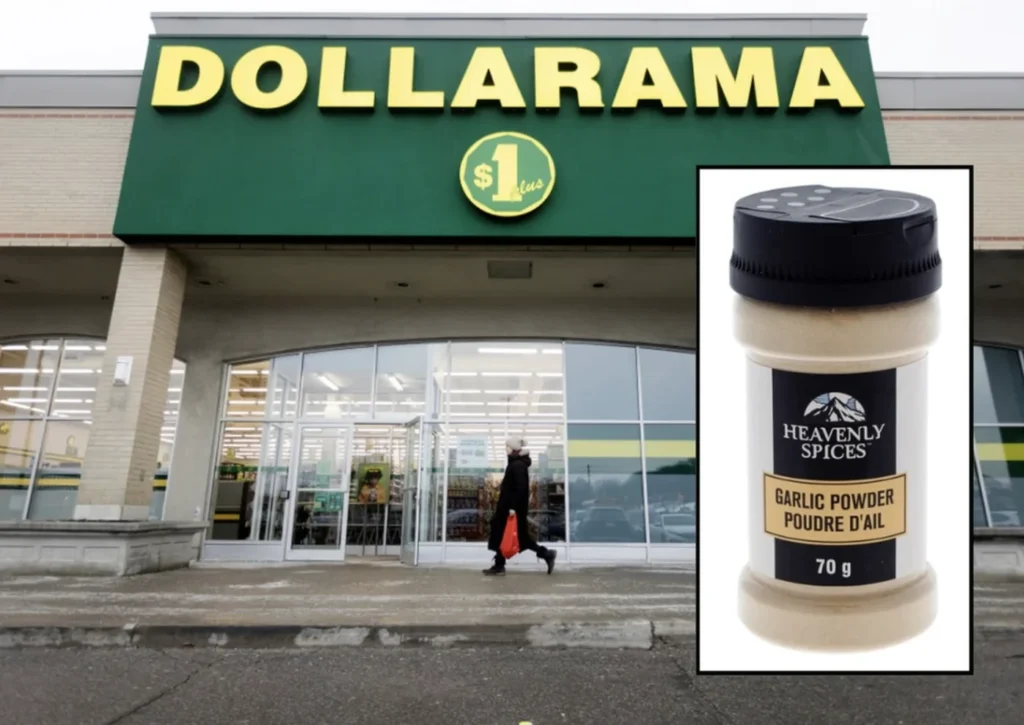
The affected product is Heavenly Spices Garlic Powder (70g). Health officials are urging consumers not to use, sell, serve, or distribute the product until further notice.
While no illnesses linked to this recall have been confirmed so far, authorities say the contamination poses enough of a health risk to warrant immediate action.
- Why Can Garlic Powder Become Contaminated? Isn’t It Supposed to Be Safe?
Why Was the Garlic Powder Recalled?
According to the Canadian Food Inspection Agency (CFIA), the recall was issued because the product may contain Bacillus cereus, a bacterium commonly associated with foodborne illness.
Bacillus cereus naturally exists in soil, dust, grains, herbs, and spices. If food becomes contaminated during harvesting, processing, or packaging, the bacteria can survive and, under the right conditions, multiply or produce toxins.
Consumers are advised to:
- Do not use the product.
- Do not give it to anyone else.
- Do not sell or donate it.
- Throw it away or return it to the place of purchase.
Cuisinart Gas Grill Recall: Thousands Sold at Walmart, Lowe’s and Amazon Could Pose Serious Injury Risk — Check Your Grill Now
Another major product recall is making headlines. More than 12,000 Cuisinart gas grills sold through Walmart, Lowe’s and Amazon have been recalled after reports that the pizza oven’s tempered glass could suddenly shatter during use, creating a serious laceration hazard. Find out whether your grill is affected and what steps you should take immediately.
Which Product Is Affected?
The recall applies to the following product:
- Brand: Heavenly Spices
- Product: Garlic Powder
- Size: 70g
- UPC: 6 67888 50634 7
- Best Before: January 30, 2029
- Sold At: Dollarama stores across Canada
If your garlic powder matches these details, stop using it immediately.
What Is Bacillus cereus?
The name may sound unfamiliar, but Bacillus cereus is actually one of the most common bacteria responsible for food poisoning worldwide.
It is naturally found in:
- Soil
- Dust
- Rice
- Grains
- Herbs
- Spices
Because dried spices come directly from plants, contamination can happen during harvesting, drying, grinding, transportation, or packaging.
Although dry foods generally slow bacterial growth, Bacillus cereus can form hardy spores that survive harsh conditions and become active again when moisture and temperature are favorable.
What Happens If You Eat It?
Bacillus cereus food poisoning usually appears in one of two forms.
1. Vomiting Syndrome
Symptoms often begin 1 to 6 hours after eating contaminated food and may include:
- Nausea
- Vomiting
- Stomach discomfort
2. Diarrheal Syndrome
Symptoms usually appear 6 to 15 hours later and may include:
- Diarrhea
- Abdominal cramps
- Stomach pain
- Mild fever
Most healthy adults recover within 24 to 48 hours without medical treatment.
However, extra caution is recommended for:
- Young children
- Older adults
- Pregnant women
- People with weakened immune systems
Anyone experiencing severe dehydration, persistent vomiting, or worsening symptoms should seek medical attention immediately.
Can Dry Spices Really Carry Harmful Bacteria?
Many people assume dried spices are completely safe because they contain very little moisture.
Unfortunately, that’s not always true.
Spices go through several stages before reaching store shelves:
- Harvesting
- Drying
- Grinding
- Packaging
- Shipping
Contamination can occur at any point in this process if proper food safety practices aren’t followed.
This is why food safety agencies around the world regularly test herbs and spices for bacterial contamination.
Why Is This a Class II Recall?
The CFIA has classified this as a Class II food recall.
This means the product could cause temporary or medically reversible health effects, but it is not considered likely to cause life-threatening illness in most people.
Even so, officials recommend removing the product from use as quickly as possible.
Have Any Illnesses Been Reported?
As of now, no confirmed illnesses have been linked to this recall.
Health officials say the recall is a precautionary measure designed to prevent consumers from becoming sick before additional cases occur.
What Should You Do If You Have This Garlic Powder?
Check the label carefully.
If your product matches the recalled information:
- Stop using it immediately.
- Keep it away from food preparation.
- Return it for a refund if possible, or dispose of it safely.
Don’t assume cooking will eliminate the risk, as some Bacillus cereus toxins can survive heat.
Does This Affect Consumers Outside Canada?
At this time, the recall only applies to Heavenly Spices Garlic Powder sold through Dollarama stores in Canada.
There have been no reports indicating the affected product was distributed in the United States or other countries.
However, anyone who purchased the product through international online marketplaces or brought it home while traveling should compare the UPC and best-before date with the recall notice.
Why Food Recalls Are Becoming More Common
From leafy greens and frozen meals to dairy products and spices, food recalls have become increasingly common over the past few years.
Experts point to several reasons:
- More complex global supply chains
- Improved food testing technology
- Stricter safety standards
- Faster public reporting systems
While recalls can sound alarming, they are often a sign that food safety monitoring systems are working as intended—identifying potential risks before they become widespread public health problems.
Frequently Asked Questions
Why was Heavenly Spices Garlic Powder recalled?
The product may be contaminated with Bacillus cereus, a bacterium that can cause food poisoning.
What symptoms can Bacillus cereus cause?
Common symptoms include nausea, vomiting, diarrhea, stomach cramps, and abdominal pain. Most people recover within one to two days.
Has anyone gotten sick?
As of the latest official update, no illnesses have been confirmed in connection with this recall.
Is the recalled garlic powder sold outside Canada?
The affected product was sold through Dollarama stores in Canada. There is currently no official indication that the recalled batch was distributed internationally.
Why Can Garlic Powder Become Contaminated? Isn’t It Supposed to Be Safe?
When people heard about the Heavenly Spices Garlic Powder recall, many had the same question:
“How can a dry spice contain harmful bacteria?”
It’s a fair question. After all, garlic powder contains very little moisture, and dry foods are generally considered safer than fresh foods.
The truth is, “dry” doesn’t always mean “sterile.”
While bacteria don’t grow easily in dry environments, some types—especially Bacillus cereus—can survive in the form of highly resistant spores. These spores can remain in food for long periods and become active again when conditions are favorable.
How Is Garlic Powder Made?
Garlic powder goes through several production steps before it reaches your kitchen:
- Harvesting fresh garlic
- Washing and peeling
- Slicing
- Drying
- Grinding into powder
- Packaging and shipping
Contamination can occur at almost any stage if strict food safety procedures aren’t followed.
Possible sources include:
- Soil during harvesting
- Improperly cleaned equipment
- Dust in processing facilities
- Cross-contamination during packaging
- Moisture exposure during storage or transportation
Even if the garlic is dried properly, bacterial spores can survive the process.
Why Can Dry Foods Still Contain Bacteria?
Many people assume bacteria can’t survive without water.
That’s only partly true.
Some bacteria, including Bacillus cereus, produce spores—a protective form that allows them to survive extreme heat, drying, and other harsh conditions.
These spores can remain dormant for months or even years. Once they encounter moisture and suitable temperatures, they can begin growing again and may produce toxins that cause food poisoning.
That’s why food safety agencies routinely test dried foods such as spices, flour, powdered milk, and herbs, even though they have long shelf lives.
Why Are Spices Considered High-Risk Foods?
Spices may seem harmless, but they’re actually one of the more challenging food products to keep contamination-free.
Most spices come directly from plants grown outdoors, where they’re exposed to soil, dust, insects, and environmental bacteria. After harvesting, they pass through multiple processing and transportation steps before reaching store shelves.
Each step presents another opportunity for contamination if proper hygiene controls aren’t maintained.
Because of these risks, food safety authorities around the world—including the CFIA, FDA, and European regulators—regularly monitor herbs and spices for microbial contamination.
How Dangerous Is Bacillus cereus?
Bacillus cereus is one of the most common bacteria responsible for foodborne illness worldwide.
It naturally exists in soil and on plants, which means it can occasionally contaminate agricultural products before they even leave the farm.
Although many infections are mild and go unreported, public health experts estimate that thousands of food poisoning cases occur globally every year due to Bacillus cereus.
Foods Most Commonly Linked to Bacillus cereus
Garlic powder isn’t the only food associated with this bacterium.
It has also been found in:
- Cooked rice
- Fried rice
- Pasta
- Noodles
- Herbs and spices
- Grain products
- Potatoes
- Sauces and prepared meals
One of the best-known examples is “Fried Rice Syndrome,” a nickname given to food poisoning caused by rice that has been left at room temperature for too long after cooking.
How Does It Make People Sick?
Bacillus cereus causes illness mainly through toxins that it produces.
There are two common forms of illness:
Vomiting Type
Symptoms usually begin within 1 to 6 hours and include:
- Nausea
- Vomiting
- Stomach discomfort
This type is commonly linked to rice, pasta, and other starchy foods.
Diarrheal Type
Symptoms typically appear 6 to 15 hours after eating contaminated food and may include:
- Diarrhea
- Abdominal cramps
- Stomach pain
This form is more often associated with meats, vegetables, sauces, and spices.
Does Cooking Kill It?
Not always.
While cooking can destroy many live bacteria, Bacillus cereus spores are highly heat-resistant. Even more concerning, some toxins produced by the bacteria can remain active after normal cooking temperatures.
That’s why food safety experts recommend never relying on reheating contaminated food as a way to make it safe.
If a product has been recalled because of possible bacterial contamination, the safest choice is simple:
Don’t eat it. Return it or throw it away.
Frequently Asked Questions (FAQ)
1. Can I still cook with the recalled garlic powder?
No. Health officials advise consumers not to use the recalled product under any circumstances. It should be returned to the retailer or thrown away immediately.
2. Will cooking or heating make it safe?
Not necessarily. While cooking can kill many bacteria, Bacillus cereus produces heat-resistant spores, and some of its toxins may survive normal cooking temperatures. Heating the garlic powder cannot guarantee that it’s safe to eat.
3. What if I only used a small amount?
A small amount does not automatically mean you’re safe. The risk depends on the level of contamination and whether toxins have formed. If you develop symptoms such as nausea, vomiting, diarrhea, or stomach cramps, contact a healthcare provider.
4. Is the garlic powder dangerous once it’s been opened?
Opening the container doesn’t make it contaminated, but improper storage—especially exposure to moisture or humidity—can increase the risk of bacterial growth. Always keep spices tightly sealed in a cool, dry place.
5. Should I refrigerate garlic powder?
Generally, no. Garlic powder should be stored in a cool, dry cupboard away from heat, sunlight, and moisture. Refrigeration is usually unnecessary and may introduce condensation when the container is opened.
6. Can I return the recalled product?
Yes. Consumers who purchased the affected garlic powder should follow the retailer’s recall instructions. Many stores accept returns or provide refunds for recalled food products.
7. Has the garlic powder been recalled in the United States?
At the time of writing, the recall applies to Heavenly Spices Garlic Powder sold through Dollarama stores in Canada. There has been no official announcement of a nationwide U.S. recall involving the same product.
8. Is the product sold on Amazon?
Product availability on Amazon may vary by country and over time. If purchasing spices online, always verify the seller, brand, product details, and recall notices before buying.
9. What are the first signs of Bacillus cereus food poisoning?
Symptoms typically include:
- Nausea
- Vomiting
- Diarrhea
- Stomach cramps
- Abdominal pain
Most cases are mild and improve within 24 to 48 hours, but severe symptoms or dehydration should be evaluated by a medical professional.
10. How can I reduce the risk of foodborne illness from spices?
Simple food safety habits can help lower the risk:
- Buy spices from trusted retailers.
- Store them in a cool, dry place.
- Keep containers tightly sealed.
- Avoid using spices past their best-before date.
- Pay attention to food recall announcements and stop using affected products immediately.